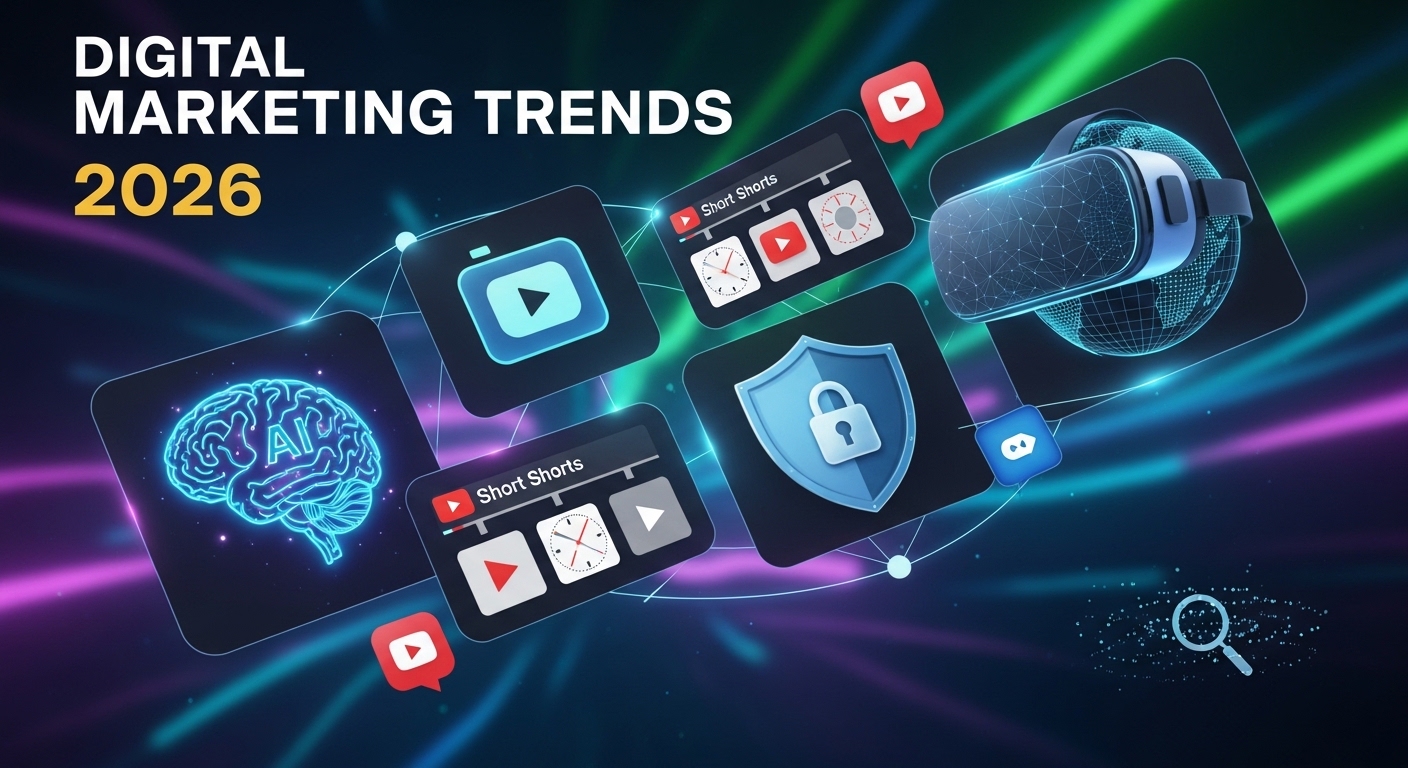
Digital marketing has never stood still—but in 2026, the pace of change feels faster than ever. What worked just two years ago may already be outdated. Platforms evolve, algorithms shift, consumer behaviors transform, and emerging technologies reshape how brands communicate with their audiences. For businesses, creators, and marketers alike, staying ahead is no longer optional—it’s essential for survival.
The digital world is becoming smarter, more personalized, and more immersive. Consumers now expect seamless experiences across devices, hyper-relevant content tailored to their interests, and real-time interactions that feel human rather than robotic. Meanwhile, privacy regulations and the decline of third-party cookies are forcing brands to rethink how they collect and use data.
In 2026, digital marketing is no longer just about posting on social media or running paid ads. It’s about building trust, leveraging artificial intelligence strategically, creating authentic community-driven content, and embracing new technologies that enhance user experience. Businesses that adapt quickly will thrive. Those who hesitate may struggle to compete in an increasingly crowded online space.
Whether you’re a small business owner, content creator, freelancer, or marketing professional, understanding the biggest digital marketing trends of 2026 can give you a powerful competitive edge. Below are five major trends shaping the industry this year—and how you can take advantage of them.
1. AI-Powered Marketing Becomes the Standard

Artificial intelligence is no longer a futuristic concept—it’s the backbone of modern marketing strategies. In 2026, AI tools are driving content creation, audience segmentation, customer support, predictive analytics, and campaign optimization.
Why It Matters:
- AI enables hyper-personalized email campaigns.
- Chatbots provide instant customer service 24/7.
- Predictive analytics improves ad performance.
- Automated content tools save time and increase efficiency.
How to Leverage It:
- Use AI-driven analytics tools to understand customer behavior.
- Implement smart chatbots on your website.
- Automate repetitive marketing tasks to focus on strategy.
- Test AI-assisted content creation while maintaining a human touch.
2. Short-Form Video Continues to Dominate
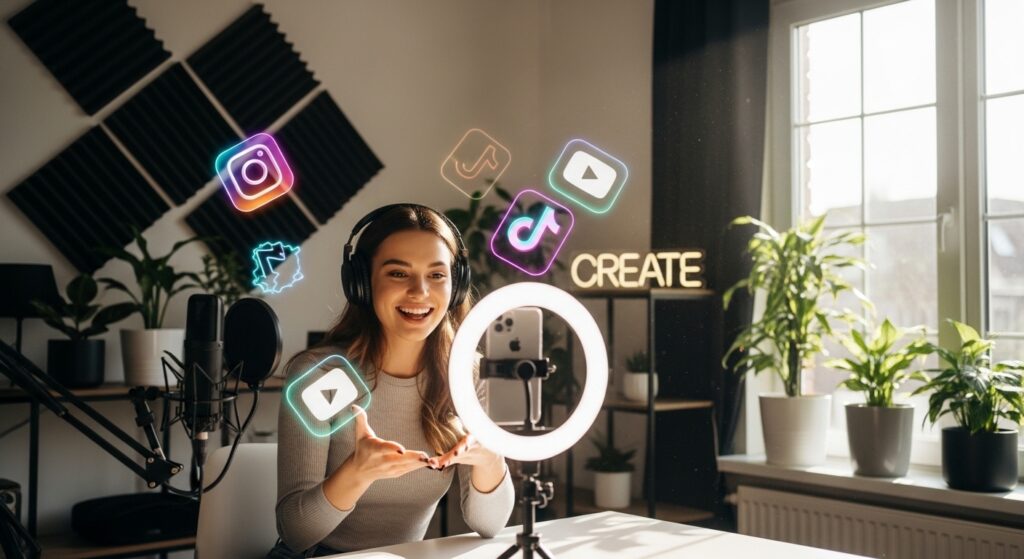
Short-form video content remains king in 2026. Platforms like TikTok, Instagram Reels, and YouTube Shorts continue to dominate attention spans. Consumers prefer quick, engaging, and informative content that delivers value within seconds.
Why It Matters:
- Short videos boost engagement rates.
- Algorithms prioritize video content.
- Video builds stronger emotional connections.
How to Leverage It:
- Create educational or entertaining 30–60 second videos.
- Repurpose long-form content into short clips.
- Focus on authenticity over perfection.
- Add captions to increase accessibility.
3. First-Party Data and Privacy-Focused Marketing

With stricter privacy laws and the continued decline of third-party cookies, marketers are prioritizing first-party data—information collected directly from customers.
Why It Matters:
- Builds stronger trust with consumers.
- Ensures compliance with data regulations.
- Improves targeting accuracy with consent-based information.
How to Leverage It:
- Encourage email sign-ups with valuable incentives.
- Use interactive quizzes or surveys to gather insights.
- Be transparent about data usage.
- Focus on building community and loyalty programs.
4. Community-Driven and Authentic Branding

Consumers in 2026 value authenticity more than polished advertising. Brands that build communities rather than just audiences are winning long-term loyalty.
Why It Matters:
- Trust drives purchasing decisions.
- User-generated content boosts credibility.
- Online communities increase retention.
How to Leverage It:
- Encourage customers to share reviews and testimonials.
- Build private communities or membership groups.
- Highlight behind-the-scenes content.
- Engage consistently in comments and messages.
5. Immersive Experiences: AR, VR & Interactive Content
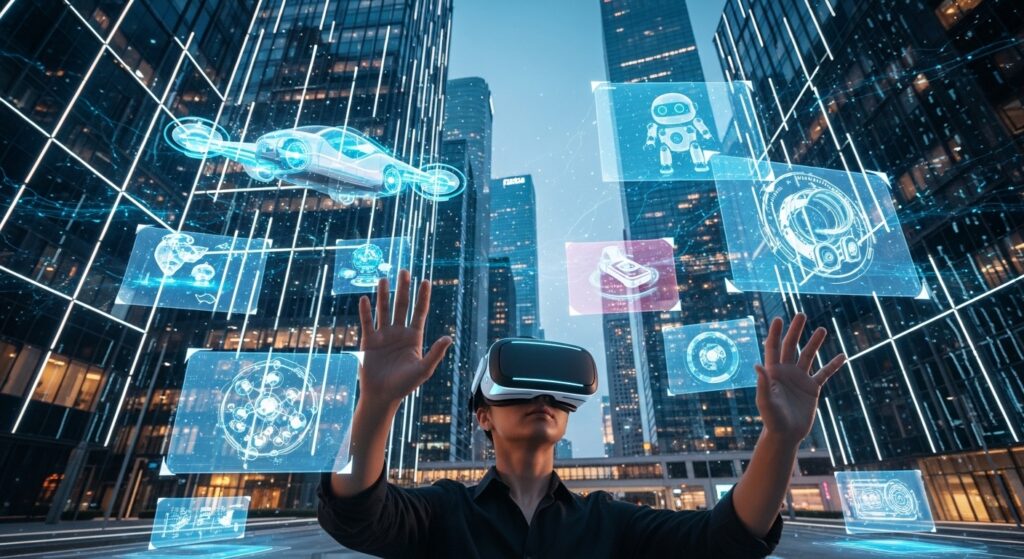
Augmented reality (AR), virtual reality (VR), and interactive experiences are becoming more accessible. From virtual product try-ons to immersive brand storytelling, experiential marketing is redefining engagement.
Why It Matters:
- Enhances customer experience.
- Increases time spent on platforms.
- Boosts conversion rates through interaction.
How to Leverage It:
- Use AR filters for product previews.
- Incorporate interactive quizzes and polls.
- Explore virtual events or showrooms.
- Invest in immersive storytelling campaigns.
Digital marketing in 2026 is driven by innovation, authenticity, and intelligent data use. The brands that thrive will be those that combine technology with genuine human connection. AI will streamline processes, short-form video will capture attention, first-party data will build trust, communities will strengthen loyalty, and immersive experiences will elevate engagement.
The key is not to chase every new trend blindly but to strategically adopt the ones that align with your brand and audience. Stay adaptable, keep learning, and always prioritize delivering real value.