
With rising living costs, subscription overload, and unexpected bills, it can feel harder than ever to stay ahead financially. Many people work hard, earn a steady income, and still find themselves wondering where their money went at the end of the month. The truth is, managing your finances isn’t always about earning more—it’s often about spending smarter.
Cutting monthly expenses doesn’t mean giving up everything you enjoy or living an extremely restrictive lifestyle. In fact, the most effective cost-cutting strategies are simple, sustainable, and stress-free. Small adjustments in daily habits can add up to hundreds of dollars in savings every month—without drastically changing your lifestyle.
Whether you’re trying to build an emergency fund, pay off debt, save for a big goal, or simply reduce financial stress, lowering your monthly expenses is one of the fastest ways to improve your financial health. The key is identifying where your money is quietly leaking and making intentional changes that don’t feel overwhelming.
In this guide, you’ll discover seven simple and practical ways to cut monthly expenses—strategies you can start using immediately.
1. Track Every Dollar You Spend

You can’t reduce what you don’t measure.
Start by reviewing:
- Bank statements
- Credit card transactions
- Subscription charges
- Automatic payments
Categorize your spending into areas like housing, food, transportation, entertainment, and subscriptions. Many people are surprised to find how much they spend on small, recurring purchases.
Once you identify patterns, it becomes easier to make adjustments.
2. Cancel or Downgrade Subscriptions
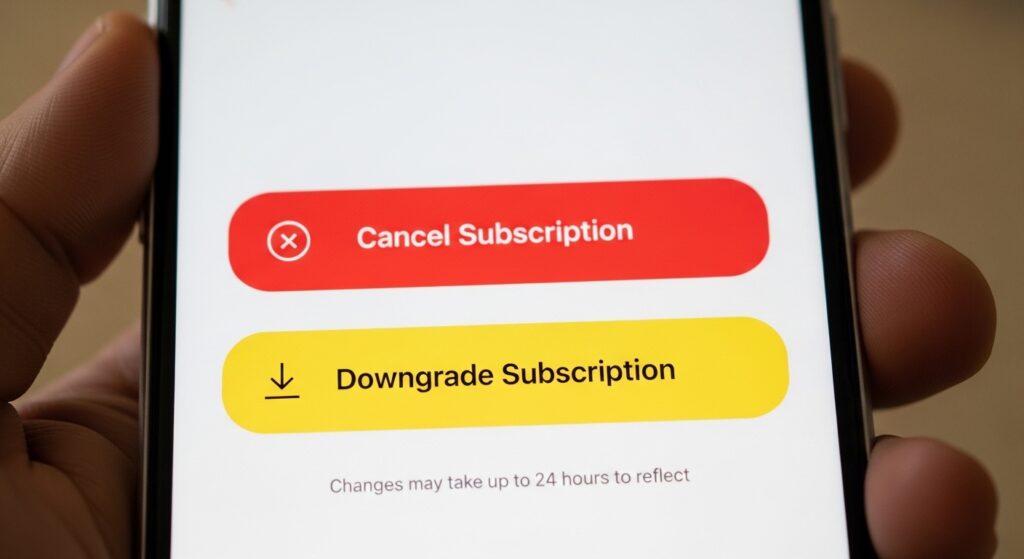
Streaming services, apps, memberships, and software subscriptions can quietly drain your budget.
Ask yourself:
- Do I use this regularly?
- Is there a cheaper alternative?
- Can I share a family plan?
- Can I rotate subscriptions monthly?
Canceling just two or three unused services could save $30–$100 per month.
3. Reduce Grocery Costs Without Sacrificing Quality

Groceries are one of the most flexible expense categories.
Simple ways to cut grocery costs:
- Plan meals weekly
- Create a shopping list (and stick to it)
- Buy store brands
- Use digital coupons
- Avoid shopping when hungry
Cooking at home more often instead of ordering takeout can significantly reduce monthly spending.
4. Lower Utility Bills

Utility bills—electricity, water, and internet—can often be reduced with small adjustments.
Try:
- Switching to energy-efficient light bulbs
- Unplugging unused electronics
- Adjusting thermostat settings
- Comparing internet providers
- Negotiating with service companies
Even minor changes can reduce bills by 5–15% monthly.
5. Cut Transportation Costs

Transportation is another major expense.
Ways to save:
- Carpool when possible
- Use public transportation
- Combine errands into one trip
- Compare auto insurance quotes
- Maintain your vehicle to avoid costly repairs
If you work remotely, reducing fuel and commute costs can dramatically lower monthly spending.
6. Eat Out Less and Be Intentional

Dining out frequently can quickly impact your budget.
Instead of eliminating it completely:
- Set a monthly dining budget
- Cook larger portions for leftovers
- Host potluck dinners
- Make coffee at home
Replacing just three restaurant meals per week with home-cooked options could save hundreds monthly.
7. Set a Spending Limit for Discretionary Purchases

Impulse purchases—online shopping, flash sales, trendy items—can sabotage savings goals.
Create a monthly “fun money” limit. When it’s gone, pause spending until next month.
Helpful strategies:
- Wait 24–48 hours before buying
- Remove saved credit cards from websites
- Avoid browsing shopping apps for entertainment
Mindful spending increases savings without eliminating enjoyment.
Final Thoughts
Cutting monthly expenses doesn’t require extreme sacrifice. It’s about awareness, small consistent changes, and smart decision-making. By tracking your spending, reducing subscriptions, lowering grocery and utility costs, managing transportation, limiting dining out, and controlling impulse purchases, you can free up extra money every month.
The goal isn’t deprivation—it’s financial freedom. Even saving $200–$500 monthly can create breathing room, reduce stress, and help you build long-term wealth.
Start with one or two changes today. Over time, those simple steps can transform your financial future.