
Vacations are meant to be relaxing, exciting, and memorable—but they don’t have to be expensive. Many people delay travel plans because they believe a great trip requires a large budget. Flights, hotels, dining, activities, and unexpected expenses can quickly add up, making travel seem financially overwhelming.
However, the truth is this: a meaningful, enjoyable vacation is not defined by how much money you spend. It’s defined by the experiences you create. With thoughtful planning, smart budgeting, and strategic decision-making, you can explore new destinations, relax, and make lasting memories—without coming home to credit card debt.
Budget-friendly travel isn’t about cutting out all comfort or sacrificing fun. It’s about prioritizing what matters most to you. Maybe it’s trying local food, exploring nature, visiting historical landmarks, or simply relaxing by the beach. When you focus your spending on what truly enhances your experience, you naturally eliminate unnecessary costs.
The key to planning an affordable vacation lies in preparation. From choosing the right destination to booking flights strategically, managing accommodation costs, and planning daily expenses, every step plays a role in keeping your trip within budget.
In this guide, you’ll learn practical, easy-to-follow strategies to plan a budget-friendly vacation that feels luxurious in experience—without the luxury price tag.
1. Set a Realistic Travel Budget

Before choosing a destination, determine how much you can comfortably spend.
Break your budget into categories:
- Transportation (flights, gas, train tickets)
- Accommodation
- Food
- Activities and entertainment
- Souvenirs
- Emergency buffer
Having a clear spending limit prevents overspending and helps guide your decisions.
2. Choose an Affordable Destination
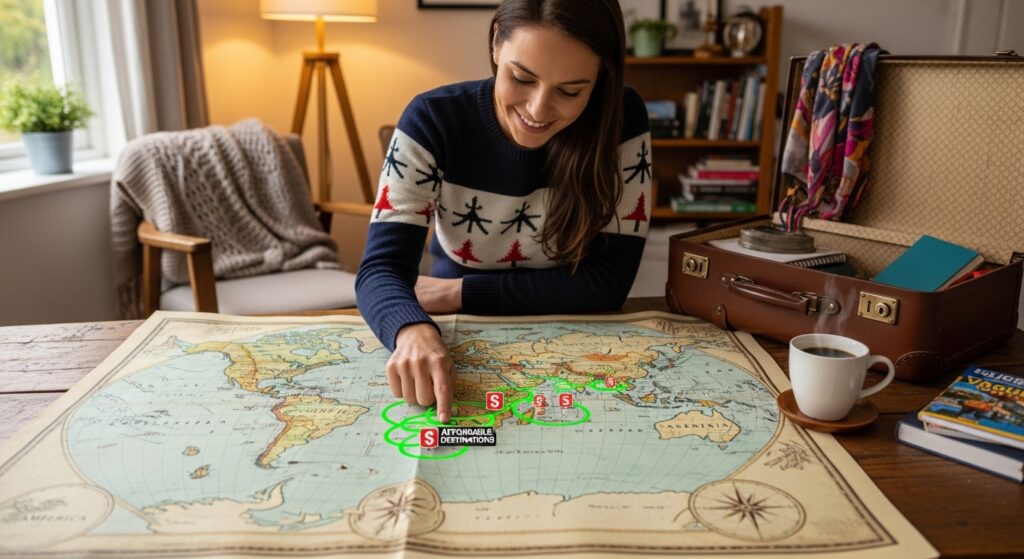
Your destination significantly impacts total costs.
Consider:
- Traveling domestically instead of internationally
- Visiting off-season
- Exploring lesser-known cities
- Choosing destinations with lower cost of living
For example, smaller towns often offer the same charm as major tourist cities—at a fraction of the price.
3. Book Flights Strategically

Airfare can be one of the biggest expenses.
Tips to save:
- Be flexible with travel dates
- Fly midweek when possible
- Use fare comparison websites
- Set price alerts
- Consider nearby airports
Booking several weeks or months in advance often helps secure lower prices.
4. Save on Accommodation

Accommodation doesn’t have to be expensive to be comfortable.
Options to consider:
- Vacation rentals
- Budget hotels
- Hostels
- Staying with friends or family
- House-sitting opportunities
Look for locations slightly outside city centers where prices are often lower.
5. Plan Affordable Activities

Not all memorable experiences come with a high price tag.
Budget-friendly ideas:
- Explore parks and beaches
- Visit free museums
- Attend local festivals
- Take walking tours
- Enjoy scenic viewpoints
Research free or low-cost attractions before your trip.
6. Control Food Expenses

Dining out for every meal can quickly drain your budget.
Ways to save:
- Choose accommodation with a kitchen
- Shop at local markets
- Eat where locals eat
- Enjoy street food
- Limit fine dining to one special meal
Balancing restaurant meals with simple home-cooked options keeps food costs manageable.
7. Pack Smart to Avoid Extra Costs

Overpacking or forgetting essentials can lead to unnecessary spending.
Pack:
- Travel-sized toiletries
- Reusable water bottle
- Portable charger
- Comfortable walking shoes
- Weather-appropriate clothing
Avoiding baggage fees and emergency purchases saves money during your trip.
8. Use Travel Rewards and Discounts

If available, take advantage of:
- Credit card travel rewards
- Student or senior discounts
- Loyalty programs
- Coupon codes
- Cashback apps
Even small discounts add up over the course of a trip.
Final Thoughts
Planning a budget-friendly vacation is entirely possible with thoughtful preparation and smart decision-making. By setting a realistic budget, choosing affordable destinations, booking strategically, controlling food and accommodation costs, and prioritizing meaningful experiences, you can enjoy a fulfilling trip without financial stress.
Travel isn’t about how much you spend—it’s about the memories you create. With the right plan, you can explore the world confidently while protecting your finances.
Start planning early, stay flexible, and focus on experiences that truly matter. Your dream vacation might be more affordable than you think.