
Financial freedom isn’t about getting rich overnight. It’s about building steady, reliable wealth that gives you control over your time, your choices, and your future. In a world filled with flashy investment trends, viral stock tips, and “get rich quick” promises, it’s easy to lose sight of what truly works: long-term investing.
Long-term investing is the foundation of sustainable wealth. It focuses on patience, discipline, and consistency rather than speculation and short-term gains. When you invest with a long horizon in mind, you allow your money to grow through compounding, market appreciation, and reinvested returns.
Many people delay investing because they think they need a large amount of money, special expertise, or insider knowledge. The truth is, you don’t. What you need is a clear strategy, the right mindset, and the discipline to stay consistent through market ups and downs.
Financial freedom means different things to different people. For some, it means retiring early. For others, it means having enough passive income to cover monthly expenses. And for many, it simply means eliminating financial stress. No matter your goal, long-term investing is one of the most powerful tools available to help you achieve it.
In this guide, you’ll learn practical, proven steps to start investing for long-term financial freedom—even if you’re starting small.
1. Define Your Financial Freedom Goal

Before investing, you need clarity.
Ask yourself:
- How much annual income would make you financially independent?
- At what age would you like to reach that point?
- What lifestyle do you want?
Having a defined target gives your investments direction. Without a goal, investing becomes random and emotionally driven.
Break your goal into:
- Retirement savings target
- Passive income target
- Emergency fund requirement
Clarity turns investing from a gamble into a plan.
2. Start as Early as Possible (Compounding Is Powerful)
Time is your greatest asset.
Compounding allows your returns to generate their own returns. The longer your money stays invested, the more powerful this effect becomes.
For example:
- Investing $300 per month for 30 years can grow significantly more than investing $600 per month for 15 years.
- Time matters more than timing the market.
If you’re young, your advantage is time. If you’re older, consistency is your strength. Either way, starting now is better than waiting for the “perfect” time.
3. Build a Strong Financial Foundation First

Before investing heavily:
- Pay off high-interest debt (especially credit cards)
- Build 3–6 months of emergency savings
- Stabilize your monthly budget
Investing while carrying high-interest debt is like filling a bucket with holes. Fix the leaks first.
Financial stability reduces panic during market downturns and helps you stay invested long-term.
4. Diversify Your Investments
Diversification protects your portfolio from unnecessary risk.
Instead of putting all your money into one stock or asset, spread it across:
- Stocks (growth potential)
- Bonds (stability)
- Index funds (broad market exposure)
- Real estate (optional)
- International markets
Index funds and ETFs are especially popular for long-term investing because they provide automatic diversification and lower fees.
The goal isn’t to chase the highest returns—it’s to build steady, reliable growth over decades.
5. Invest Consistently (Dollar-Cost Averaging)
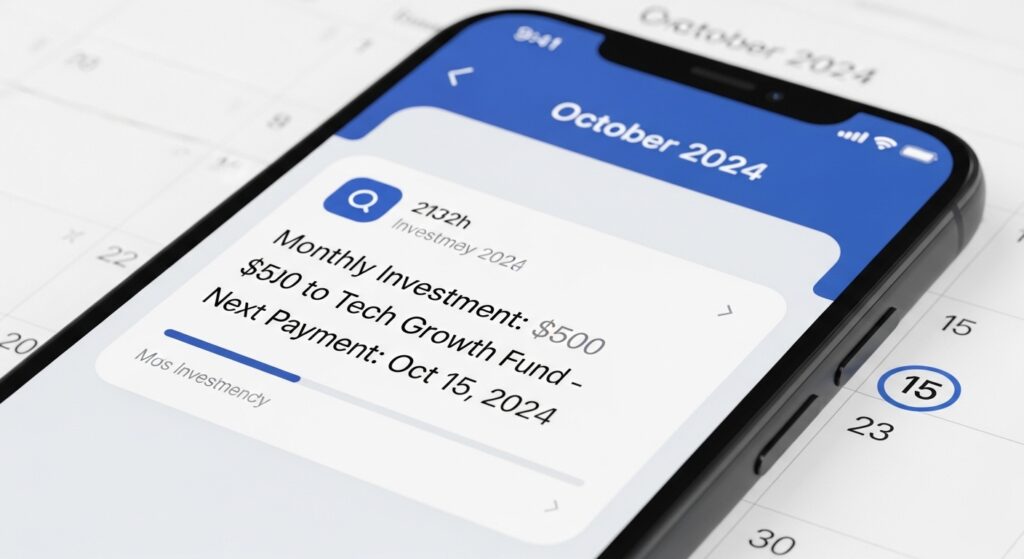
Trying to predict market highs and lows is extremely difficult—even for professionals.
Instead:
- Invest a fixed amount regularly (weekly or monthly)
- Continue investing during market downturns
- Avoid emotional decisions
This strategy, called dollar-cost averaging, reduces risk and builds discipline.
Consistency beats intensity in long-term investing.
6. Reinvest Dividends

Dividends are payments companies make to shareholders.
Instead of spending dividends:
- Reinvest them automatically
- Allow them to purchase more shares
- Let compounding accelerate
Over decades, reinvested dividends can significantly increase total returns.
Small gains reinvested consistently can create large results over time.
7. Keep Fees and Taxes Low
High fees silently reduce long-term returns.
To protect your growth:
- Choose low-cost index funds
- Avoid frequent trading
- Use tax-advantaged accounts when possible
- Hold investments long-term to reduce capital gains taxes
Even a 1% difference in fees can cost thousands (or more) over decades.
Long-term wealth building is about efficiency as much as growth.
8. Stay Calm During Market Volatility

Markets will rise and fall. Corrections and recessions are normal.
The biggest mistake investors make:
- Selling during downturns
- Buying emotionally during hype cycles
Successful long-term investors:
- Stick to their plan
- Rebalance when necessary
- Ignore short-term noise
Volatility is temporary. Long-term growth is historical.
9. Review and Adjust Annually
Long-term investing doesn’t mean ignoring your portfolio.
Once a year:
- Rebalance asset allocation
- Review performance
- Adjust contributions
- Update goals
Keep your strategy aligned with your life stage and risk tolerance.
Simple annual reviews help maintain long-term stability.
The Mindset of Financial Freedom
Financial freedom is not achieved through one lucky investment.
It’s built through:
- Patience
- Discipline
- Long-term thinking
- Emotional control
When you shift from chasing quick profits to building sustainable wealth, investing becomes less stressful and more strategic.
Your future self benefits from every consistent step you take today.
Final Thoughts
Investing for long-term financial freedom is not complicated—but it does require consistency and discipline.
Start early.
Diversify.
Invest consistently.
Control costs.
Stay patient.
Over time, these simple principles can transform modest investments into meaningful wealth.
Financial freedom isn’t a fantasy—it’s a strategy executed consistently over time.