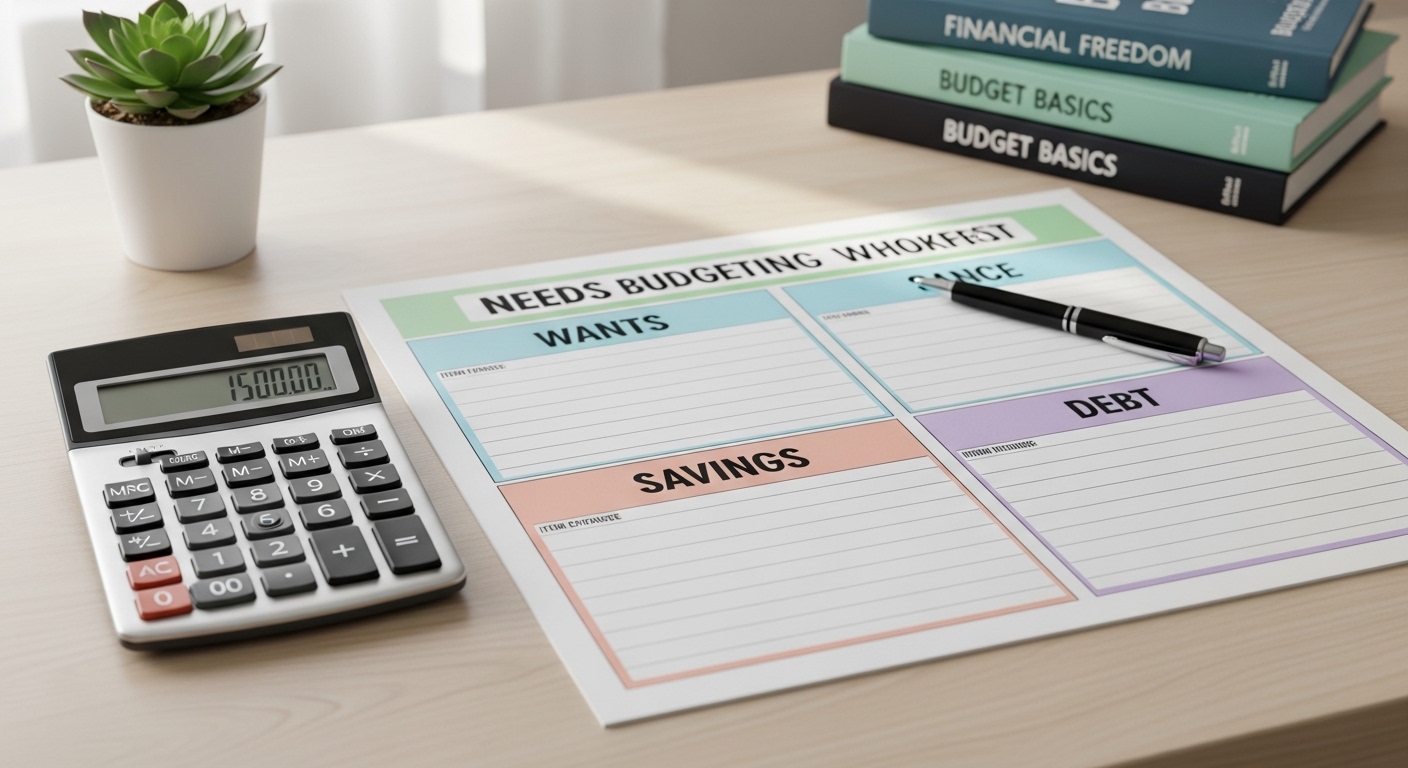
For many people, the word “budget” feels restrictive. It sounds like cutting out everything fun, saying no to spontaneous plans, and living on the bare minimum just to save a few dollars. That’s why so many budgets fail—not because people lack discipline, but because the budget itself doesn’t fit their real life.
A budget that works isn’t about punishment. It’s about alignment.
When your spending plan reflects your priorities, values, income, and daily habits, it becomes empowering instead of limiting. Instead of constantly feeling guilty about money, you gain clarity and confidence. You know where your money is going. You know what you can afford. And most importantly, you feel in control.
The problem is that many budgeting templates online are too generic. They assume everyone has the same expenses, lifestyle, and goals. But a freelancer with fluctuating income needs a different system than a salaried employee. A parent of three will budget differently from a single professional living in a city. Someone focused on travel will prioritize differently from someone saving for a home.
A budget that fits your lifestyle is flexible, realistic, and sustainable. It accounts for your needs, your wants, and your future goals without forcing you into extremes. It allows you to enjoy today while preparing for tomorrow.
In this guide, you’ll learn how to build a personalized budget that supports your lifestyle instead of fighting against it. Whether you want to save more, pay off debt, or simply stop feeling stressed about money, this step-by-step approach will help you create a system you can actually stick to.
1. Understand Your Current Spending Habits

Before creating a budget, you need clarity.
Track your expenses for 30 days:
- Rent or mortgage
- Utilities
- Groceries
- Transportation
- Subscriptions
- Dining out
- Entertainment
- Shopping
You can use a spreadsheet, a budgeting app, or even your banking app. The goal is awareness—not judgment.
Look for:
- Spending patterns
- Areas where you overspend
- Expenses you forgot about
- Subscriptions you don’t use
Clarity is the foundation of a realistic budget.
2. Define What Matters to You
A lifestyle-focused budget prioritizes what you value.
Ask yourself:
- What makes me happy?
- What expenses improve my life?
- What are my top financial goals?
For example:
- If fitness is important, keep your gym membership.
- If travel matters, create a travel savings fund.
- If dining out is social and meaningful, budget for it intentionally.
Cutting everything enjoyable makes budgets fail. Instead, trim areas that don’t truly add value.
3. Choose a Budgeting Framework That Fits You
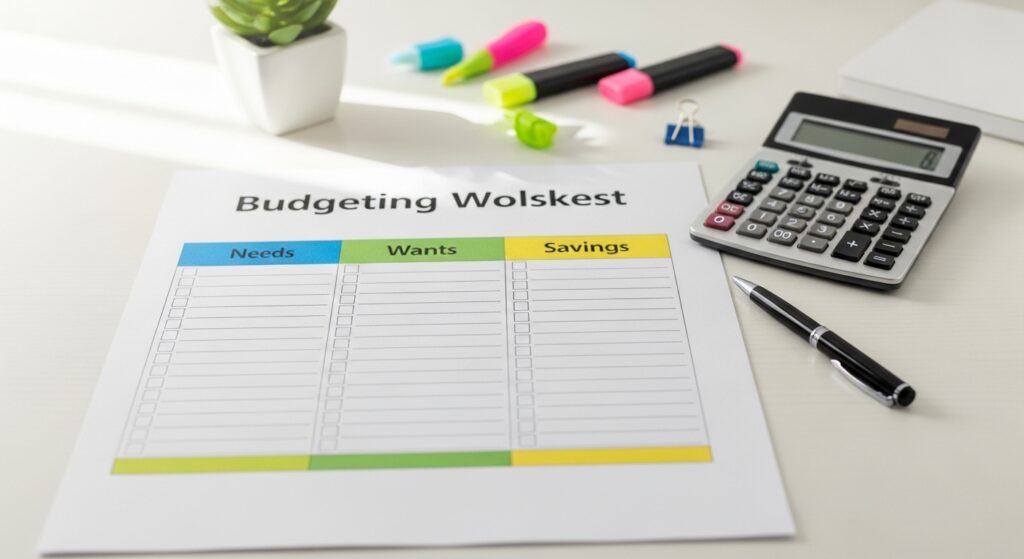
Different systems work for different personalities.
Popular Budget Methods:
50/30/20 Rule
- 50% Needs
- 30% Wants
- 20% Savings
Zero-Based Budget
Every dollar has a purpose.
Pay Yourself First
Automate savings before spending.
Choose one that feels natural—not overwhelming.
4. Build Flexibility Into Your Plan
Life is unpredictable. A strict, rigid budget can break under pressure.
Include:
- A small “miscellaneous” category
- A buffer for unexpected expenses
- Seasonal adjustments (holidays, birthdays, travel)
Flexibility prevents frustration and helps you stay consistent long term.
5. Align Your Budget With Your Income Type
If you have a stable income:
- Allocate fixed monthly percentages.
If you have a variable income:
- Base your budget on your lowest expected monthly income.
- Save extra income during high-earning months.
- Prioritize essentials first.
Adapting your budget to your income structure reduces stress.
6. Automate What You Can

Automation removes emotion from money management.
Set up:
- Automatic bill payments
- Automatic savings transfers
- Investment contributions
When your savings and essentials are handled automatically, you can spend the rest guilt-free.
7. Review and Adjust Monthly
Your lifestyle evolves—and your budget should too.
Each month:
- Review spending
- Adjust categories
- Reallocate funds if needed
- Celebrate progress
Budgeting is not a one-time task. It’s a dynamic system that adapts to your life.
Common Budgeting Mistakes to Avoid
- Being overly restrictive
- Ignoring irregular expenses
- Forgetting small recurring costs
- Not reviewing regularly
- Comparing your budget to others
Your budget is personal. It should reflect your life—not someone else’s.
Conclusion
Making a budget that fits your lifestyle is about balance—not deprivation. It’s about creating a financial plan that supports your goals while still allowing you to enjoy your daily life. When your budget reflects your priorities and income reality, it becomes sustainable.
Instead of asking, “What should I cut?” ask, “What matters most?”
With awareness, flexibility, automation, and regular adjustments, you can design a budget that reduces stress, increases savings, and gives you confidence with money. The best budget isn’t the strictest one—it’s the one you can stick to long-term.