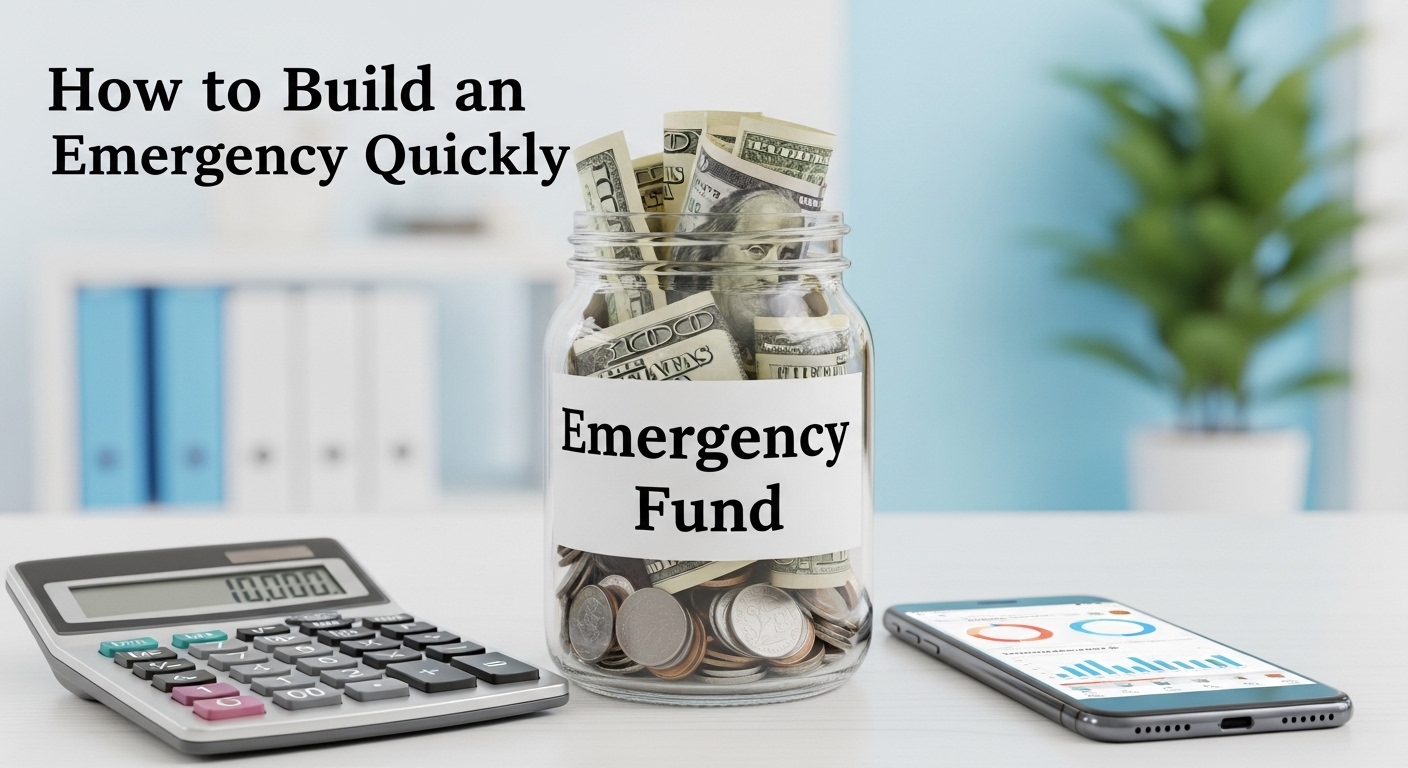
Life is unpredictable. A sudden medical bill, an unexpected car repair, a job loss, or a family emergency can appear without warning. When these situations happen, the difference between financial stress and financial stability often comes down to one thing: an emergency fund.
An emergency fund is a dedicated pool of money set aside specifically for unexpected expenses. It acts as a financial safety net that protects you from relying on credit cards, high-interest loans, or borrowing money during difficult times.
Unfortunately, many people live without one.
Rising living costs, student debt, housing expenses, and everyday bills make saving money feel difficult. Even when people want to save, it can seem overwhelming to build a financial cushion large enough to handle emergencies.
But here’s the good news: building an emergency fund doesn’t have to take years.
With the right strategies, discipline, and a focused plan, you can build an emergency fund much faster than you might think. The key is not necessarily earning more money but managing your existing income more intentionally.
Many modern financial tools also make the process easier. Apps like Mint help track expenses and identify saving opportunities, while budgeting platforms like YNAB help users prioritize savings goals and control spending habits.
Financial experts often recommend saving three to six months of living expenses for emergencies. While that number may sound intimidating, the most important step is simply starting.
Even a small emergency fund of $500 to $1,000 can prevent financial disasters when unexpected expenses occur.
In this guide, you’ll learn practical strategies to build an emergency fund quickly, reduce financial stress, and create a stronger financial foundation for the future.
1. Set a Clear Emergency Fund Goal

The first step is deciding how much you want to save.
Common emergency fund targets include:
- Starter fund: $500 – $1,000
- Intermediate fund: 3 months of expenses
- Full emergency fund: 6 months of expenses
If your monthly expenses are $2,000, a full emergency fund would be around $12,000.
But don’t let large numbers discourage you. Start with a small milestone and build gradually.
Small wins create motivation and momentum.
2. Track Your Spending

Many people underestimate how much they spend each month.
Tracking your expenses helps you identify unnecessary spending and redirect that money toward your emergency fund.
For example, small daily purchases—coffee, takeout, subscriptions—can quietly add up.
Tracking tools like Mint allow users to visualize spending patterns and find savings opportunities.
Once you understand where your money goes, saving becomes much easier.
3. Automate Your Savings
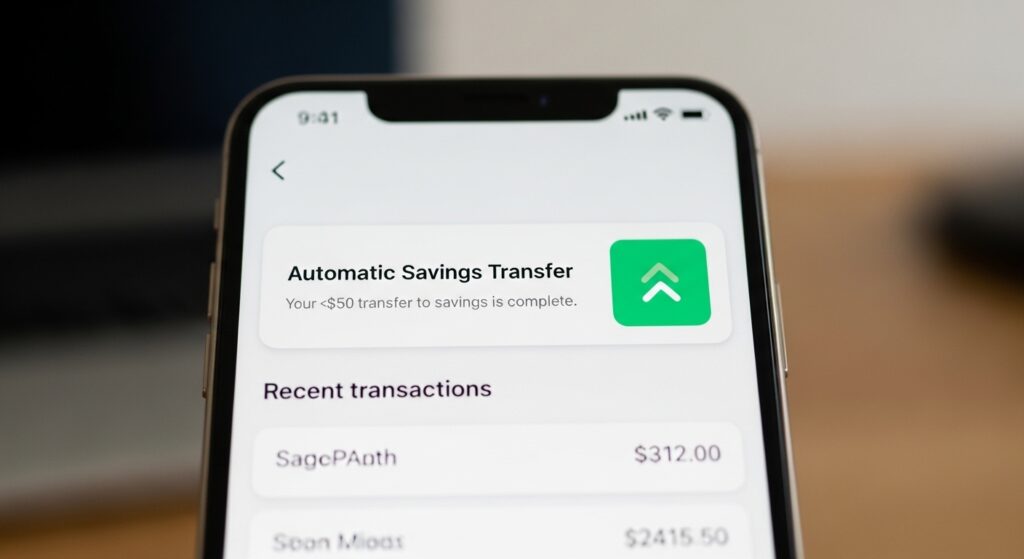
Automation is one of the most effective ways to save quickly.
Instead of relying on willpower each month, schedule automatic transfers from your checking account to a savings account.
For example:
- $50 weekly
- $200 monthly
- A percentage of each paycheck
Apps like YNAB help automate financial planning and make saving consistent.
When savings happen automatically, it becomes effortless.
4. Cut Non-Essential Expenses Temporarily

If you want to build your emergency fund quickly, consider temporary spending reductions.
Examples include:
- Reducing dining out
- Canceling unused subscriptions
- Limiting entertainment spending
- Cooking more meals at home
These changes don’t have to be permanent. Even a few months of focused saving can significantly grow your emergency fund.
5. Use Windfalls and Extra Income

Unexpected money can accelerate your emergency fund dramatically.
Consider saving:
- Tax refunds
- Work bonuses
- Freelance income
- Side hustle earnings
- Cash gifts
Instead of spending windfalls immediately, allocate a portion toward your emergency fund.
This can shorten the time needed to reach your savings goal.
6. Open a Dedicated Savings Account

Keeping emergency savings separate from your everyday spending account helps prevent accidental spending.
Look for a high-yield savings account that offers better interest rates than traditional accounts.
Benefits include:
- Clear separation from spending money
- Small interest earnings
- Easier tracking of savings progress
When emergency funds are stored separately, they remain protected until truly needed.
7. Stay Consistent
Consistency is the most important factor in building an emergency fund.
Even small contributions matter.
Saving:
- $10 per day = $300 per month
- $50 per week = $2,600 per year
Over time, these contributions create a strong financial safety net.
The goal is steady progress, not perfection.
Conclusion
Building an emergency fund quickly is one of the smartest financial decisions you can make. It provides protection, reduces financial stress, and creates stability during unexpected situations.
By following a focused strategy, you can accelerate your savings:
- Set a clear goal
- Track spending habits
- Automate your savings
- Reduce unnecessary expenses
- Save extra income and windfalls
- Use a dedicated savings account
Financial security begins with preparation.
Even a modest emergency fund can make a powerful difference when life throws unexpected challenges your way.
Start today—and give your future self peace of mind.