
Credit cards can be incredibly useful financial tools. They allow you to make purchases conveniently, earn rewards, and build a credit history. However, when credit card balances start to grow faster than they can be paid off, they can quickly become one of the most stressful financial burdens a person can face.
Millions of people struggle with credit card debt every year. High interest rates, minimum payments, and unexpected expenses can create a cycle where balances continue to grow despite regular payments. What starts as a manageable balance can slowly turn into thousands of dollars owed.
One of the biggest challenges with credit card debt is the interest rate. Many credit cards charge interest rates that can exceed 20%, meaning a large portion of your payment may go toward interest instead of reducing the balance. Over time, this can make it feel like you are barely making progress.
Fortunately, reducing credit card debt faster is possible with the right strategy.
Instead of feeling overwhelmed, the key is to approach debt repayment with a clear plan, consistent actions, and disciplined financial habits. Small improvements—like prioritizing high-interest balances or reducing unnecessary spending—can make a significant difference over time.
Many people also use budgeting tools like Mint or financial planning apps like YNAB to track expenses and identify extra money that can be directed toward debt payments.
In this guide, you will learn practical and proven strategies to reduce credit card debt quickly, lower interest costs, and regain control of your financial future.
1. Understand Your Total Debt

The first step in eliminating credit card debt is understanding exactly how much you owe.
List the following for each credit card:
- Total balance
- Interest rate (APR)
- Minimum monthly payment
- Payment due date
Seeing the full picture helps you prioritize which balances to pay first.
Many people discover that one or two cards carry the majority of their debt, which makes targeting them easier.
2. Focus on High-Interest Debt First
One of the fastest ways to reduce credit card debt is the avalanche method.
This strategy involves:
- Paying minimum payments on all cards
- Putting extra money toward the card with the highest interest rate
Once that card is paid off, move to the next highest interest rate.
This method reduces the total interest you pay and accelerates debt payoff.
3. Try the Snowball Method for Motivation
Another popular approach is the debt snowball method.
This method focuses on paying off the smallest balance first.
Steps include:
- Pay minimums on all cards
- Direct extra money to the smallest balance
- Once paid off, roll that payment into the next debt
This method provides quick wins that build momentum and motivation.
4. Reduce Spending Temporarily

If you want to eliminate credit card debt faster, consider temporarily reducing discretionary spending.
Examples include:
- Dining out less often
- Pausing subscription services
- Avoiding impulse purchases
- Limiting entertainment spending
Even small reductions can free up extra cash to put toward debt payments.
Tracking tools like Mint can help identify spending patterns and areas where money can be redirected.
5. Increase Your Monthly Payments
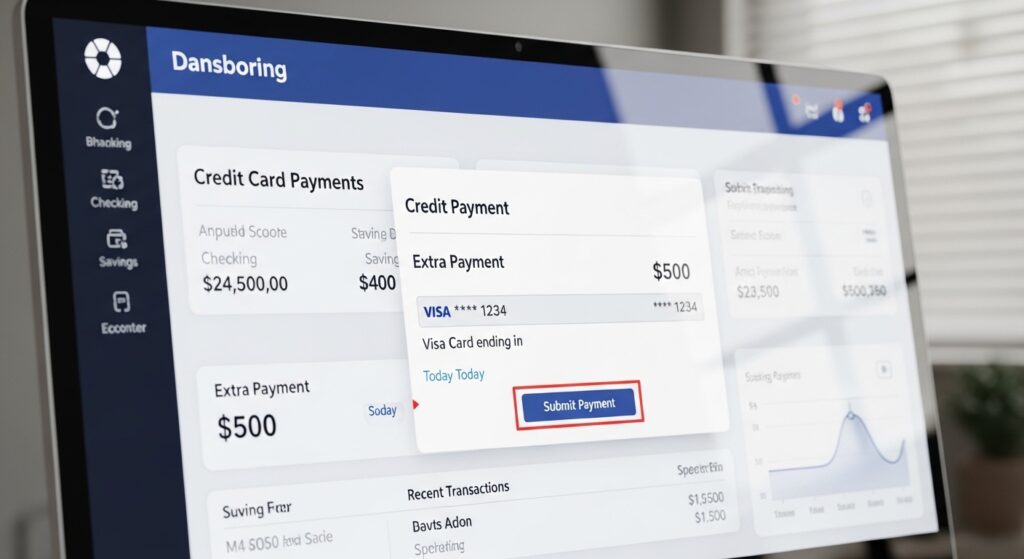
Paying only the minimum balance can dramatically extend the time required to eliminate credit card debt.
If possible, increase your payments each month.
For example:
- Add an extra $50 or $100 per payment
- Use side-hustle income
- Apply bonuses or tax refunds
Higher payments reduce interest costs and accelerate progress.
6. Consider a Balance Transfer
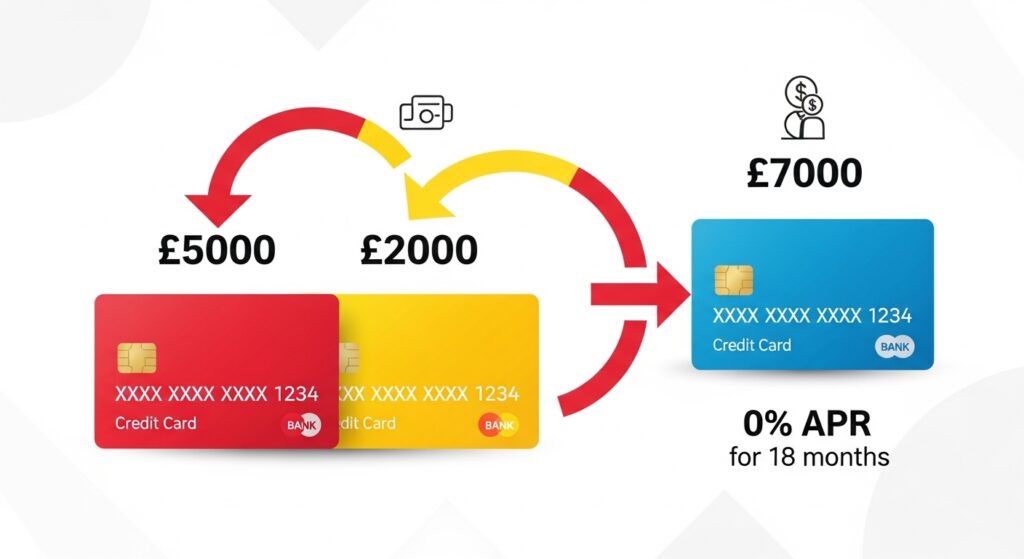
Some credit cards offer 0% introductory interest rates on balance transfers.
This allows you to move high-interest debt to a new card and temporarily avoid interest.
Benefits may include:
- Lower interest costs
- Faster repayment
- Simplified payments
However, balance transfer cards often include fees and time limits, so read the terms carefully before applying.
7. Avoid Adding New Debt

While paying off credit cards, it’s essential to avoid accumulating new balances.
Strategies include:
- Using cash or debit cards for purchases
- Leaving credit cards at home
- Removing stored cards from online stores
This ensures your efforts go toward reducing debt rather than increasing it.
Conclusion
Reducing credit card debt quickly is possible with a focused strategy and consistent financial habits.
The most effective steps include:
- Understanding your total debt
- Prioritizing high-interest balances
- Choosing a repayment method like avalanche or snowball
- Reducing unnecessary spending
- Increasing monthly payments
- Considering balance transfers
- Avoiding new credit card balances
Debt reduction takes discipline, but every payment brings you closer to financial freedom.
By following these strategies, you can eliminate credit card debt faster and build a healthier financial future.